


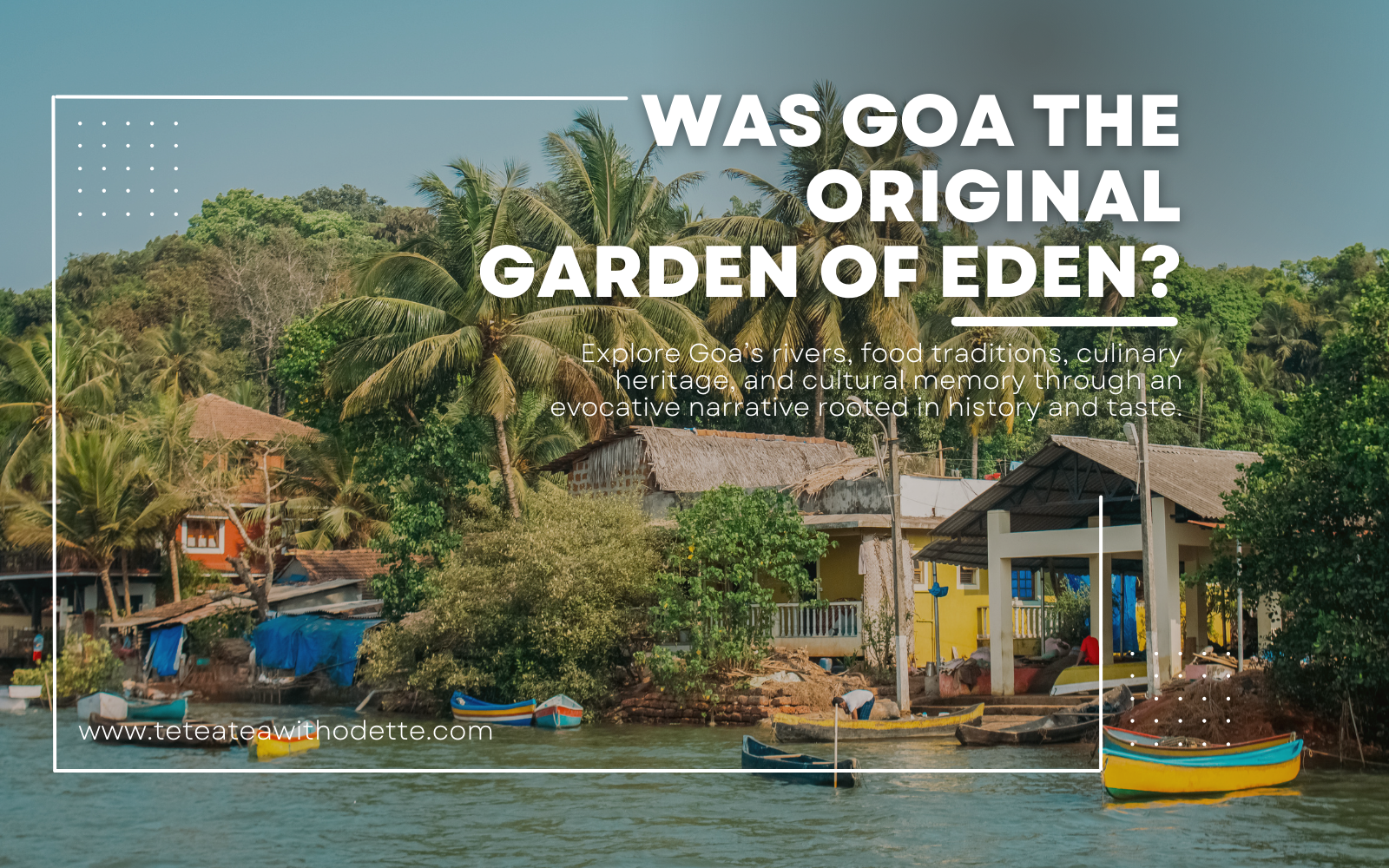
If one were to experience a true fusion of culture, taste, and environment, it would be in the smallest state on India’s western coast. Tucked between Maharashtra and Karnataka lies Goa, a land that has long felt both familiar and foreign, shaped by centuries of layered histories and lived traditions.
Formerly a Portuguese enclave for over 450 years, Goa carries the imprint of Latin influence in its architecture, faiths, customs, and kitchens. To a visitor, it often feels unlike any other part of India, not because it stands apart, but because it carries so many worlds within it.
A native of Goa is known as a Goan in English, a Goenkar in Konkani, Goês for men and Goesa for women in Portuguese. Language itself becomes a marker of Goa’s cultural plurality, a reminder of how deeply history has shaped identity here.
Rivers That Shape a Land and Its People
Goa’s rivers are more than geographical features, they are lifelines. The Mandovi, often described as the heartbeat of Goa, stretches across 77 kilometres and originates from a cluster of springs in Bhimgad in the Western Ghats. Along with the Zuari, which flows for 34 kilometres from Hemad-Barshem, these rivers connect coast to hinterland, village to village.
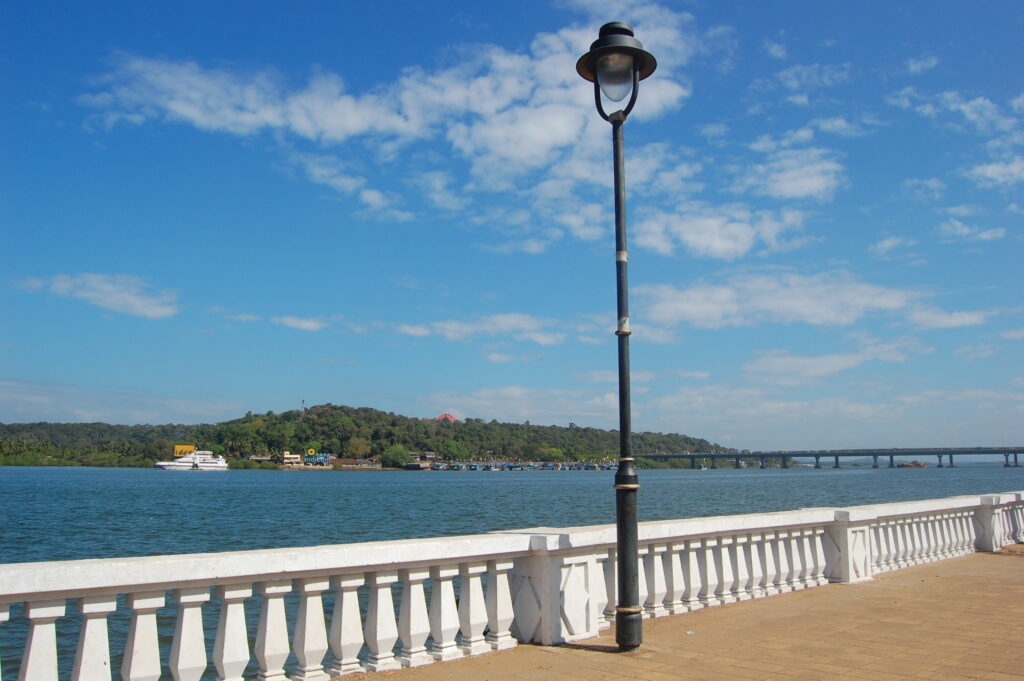
Beyond these well-known rivers lie others less spoken of. The Sal river, often called the Mississippi of Salcete taluka, is the third-largest river in Goa. The Mapusa River, or Rio de Mapuca, winds its way from the jungles of Dumacem and Amthane, meandering eastward before turning south and finally merging with the Mandovi near Penha de France.
These waterways have quietly shaped Goa’s agricultural rhythms, fishing traditions, and food habits for generations.
Beyond Beaches and Festivities
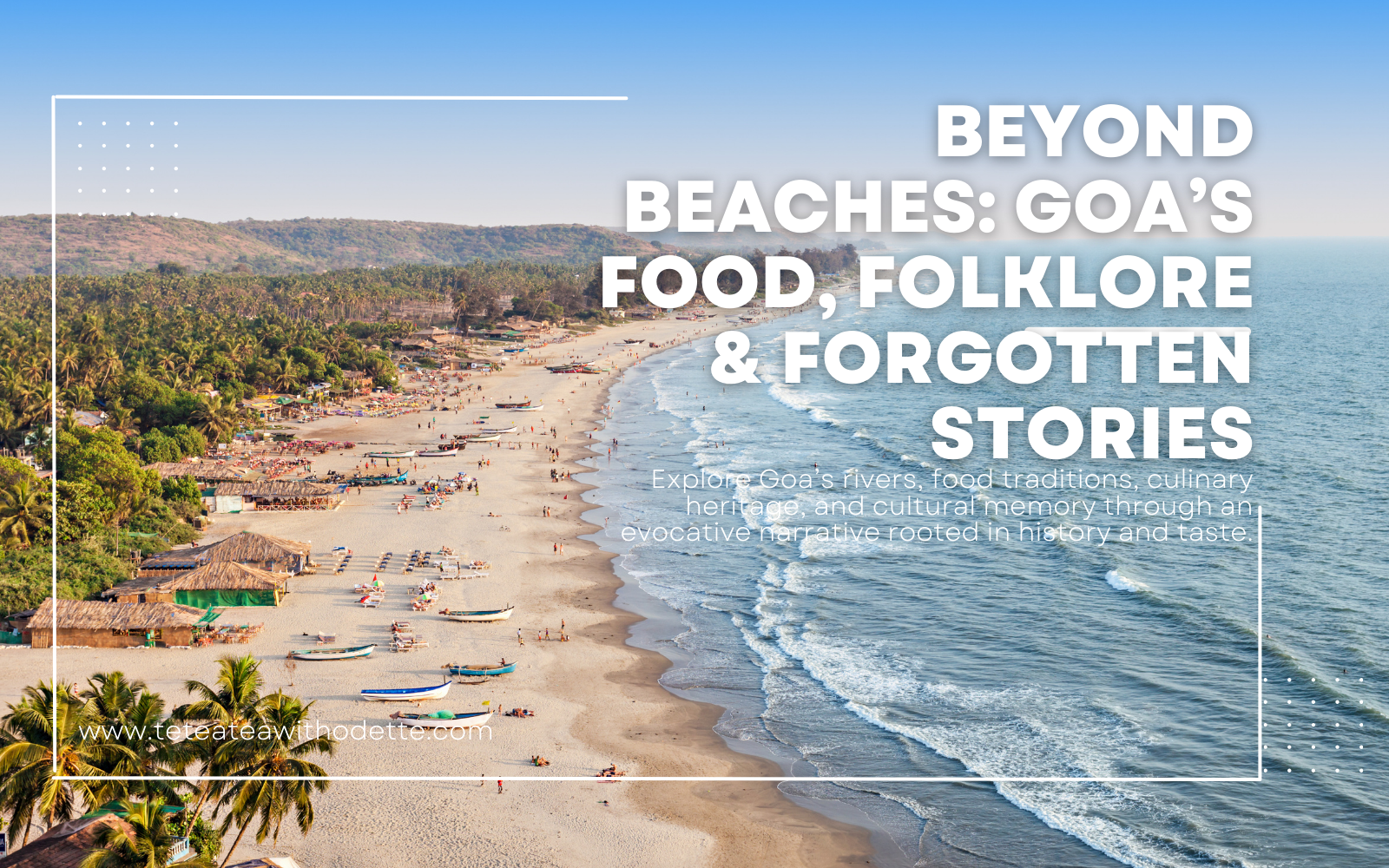
Goa’s beaches are often associated with leisure, celebration, and escape. From the silken sands of Ashvem to the rocky cliffs of Vagator and the bustling shores of Calangute, the coastline offers moods as varied as its visitors.
Rivers add another layer to this experience. Morning boat rides in search of dolphins, sunset cruises, and even late-night casino visits anchored on water have become part of Goa’s contemporary identity. Yet beneath the surface of tourism lies something far deeper.
Food as Goa’s Greatest Invitation
While landscapes entice and festivals charm, it is often food that leaves the most lasting impression. As the saying goes, man cannot live on bread alone, a little spread adds to the flavour.
In many tourist destinations, menus focus on grills, salads, and international comfort foods, with local cuisine making only a token appearance. Goa, however, offers something else entirely. Its culinary heritage is not seasonal, nor does it belong to one community or religion. It is rich, layered, and deeply tied to the land.
Food here carries memory. It reflects centuries of trade, colonisation, adaptation, and home cooking. For those who seek tradition rather than trend, Goa offers dishes that tell stories, recipes passed down orally, and flavours shaped by climate, rivers, and soil.
Goa is not a place one visits only in a particular season. With its food and culture, it offers something throughout the year.
The Jackfruit Tree and the Question of Eden
Was this the original Garden of Eden? History may suggest otherwise, but the question lingers.
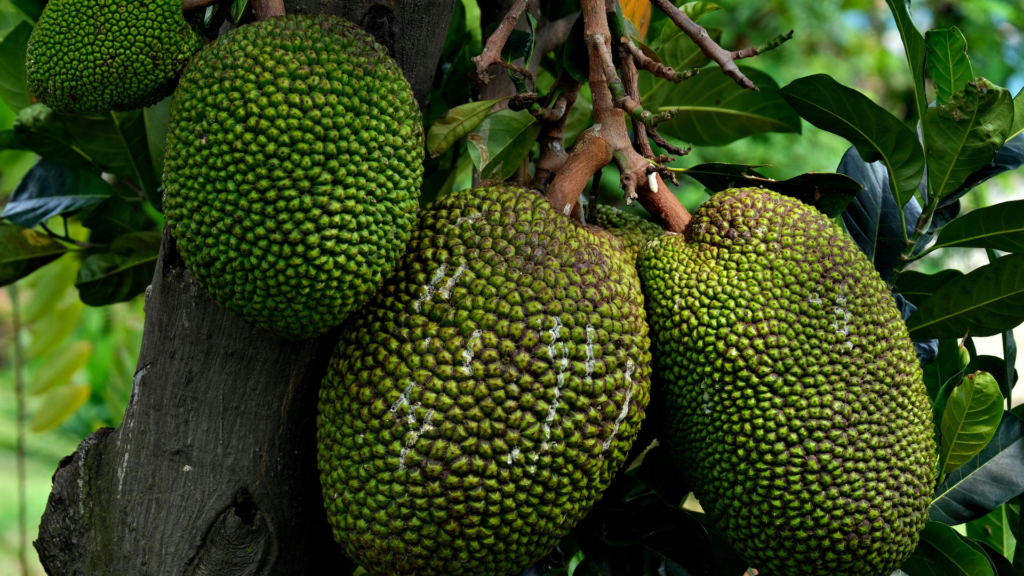
Was it because of the jackfruit tree? That prickly, imposing fruit, sweet and succulent within, rooted in the fertile soil of this region. A fruit that appears in savoury curries, sweet preparations, and seasonal rituals, quietly carrying stories of abundance and survival.
Goa has many such hidden secrets, waiting to be explored slowly, not consumed hurriedly.
A Land Served on a Platter
The chapters that follow in this journey of Goa aim to serve the state on a carefully designed platter. Seasons, festivals, places to see and experience, and specialised recipes from Goan chefs come together to create a deeper understanding of this land.
This is Goa in all its seasons, for all its reasons.

One thought on “Was Goa the Original Garden of Eden?”